A warped floor, a dark halo under a radiator: behind these details, an entire room loses its charm. Sometimes we think that heating is just a matter of power or aesthetics. However, choosing a cast iron floor radiator, suited to the type of wood and the installation method, can permanently change the appearance of a floor. Too often, the compatibility between the heating system and the floor is overlooked during renovations. Taking the time to understand the technical constraints gives your interior every chance to withstand the seasons without faltering.
Cast Iron Floor Radiator: A Sustainable Choice to Preserve the Charm of Your Floor
Choosing a cast iron floor radiator goes beyond mere efficiency: it ensures unwavering stability and real protection for the floor. Cast iron is heavy, and the slightest misstep during installation leaves visible marks on the wood. Yet, every room can find the right cast iron radiator leg, whether it is classic, adjustable, or designed to blend into the decor. The diversity of models allows for a combination of style, robustness, and respect for the floor.
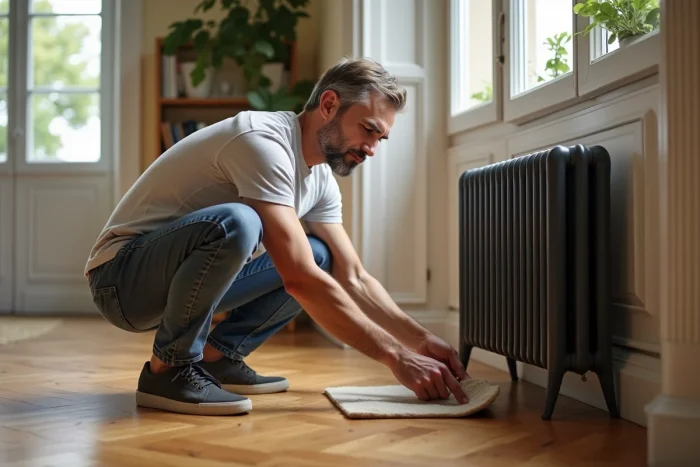
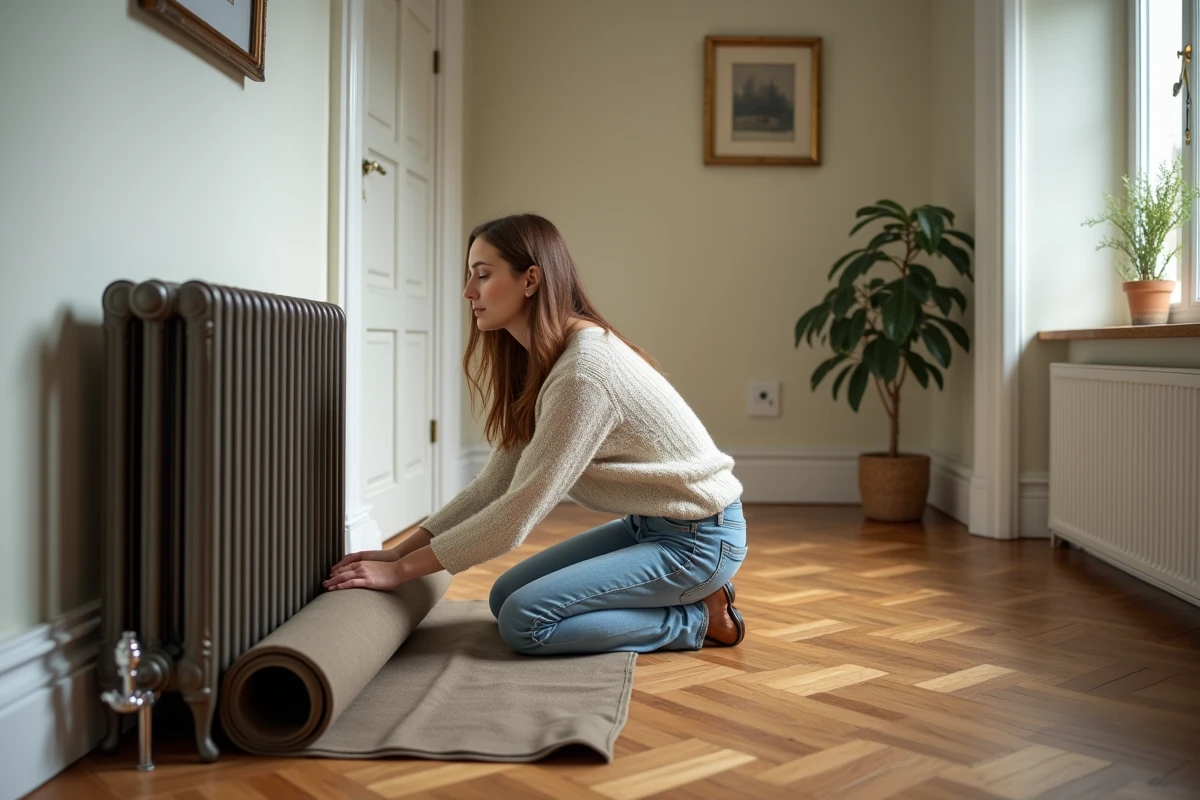
One of the most reliable tips is to slip felt or rubber pads under the legs, an effective barrier against persistent marks and compressions that disfigure the floor. This gesture, as simple as it is discreet, absorbs weight, cushions variations, and allows the wood to maintain its beauty. The balance between heat distribution and preservation of the covering also plays out here: a haphazard installation always ends up harming both thermal comfort and the longevity of the floor.
To go further and leave nothing to chance, the tips from Design en Ville guide you in selecting the cast iron floor radiator best suited to your situation while respecting the aesthetics of your room and the nature of your floor.
What Are the Key Points to Effectively Protect a Wooden Floor?
Installing a cast iron radiator on a floor is not something to improvise. The type of wood, the width of the planks, the thickness of the floor: everything counts. Solid wood flooring handles stress better if it remains under 15 mm thick, with narrow planks. Engineered wood flooring, on the other hand, offers additional stability, even for wider planks, which reduces the risks associated with heat and temperature variations.
The best protection starts with installation: gluing the floor provides uniform support and limits movement under load. The cast iron radiator legs should always rest on soft protective devices, felt or rubber pads, capable of dissipating pressure and preventing cracks, chips, or permanent marks from appearing.
The following list summarizes the good practices to remain calm over the years:
- Carefully check the flatness of the floor with a level before installation.
- Set the water temperature of the heating around 38°C to preserve the wood structure.
- Ensure a reasonably constant humidity level in the room.
- Maintain regular upkeep of the radiator: cleaning, regular checks of the fittings, and inspection for rust on the cast iron supports.
Following these simple measures, combined with the right equipment choices, helps the trio of cast iron floor radiator, accessory, and floor to stand the test of time together without unpleasant surprises.
Comparison: Cast Iron Floor Radiator or Alternatives, What to Prioritize for Your Interior?
The choice of heating system influences more than just comfort. Opting for a cast iron floor radiator means accepting its weight, its ability to generate gentle warmth, and the need for suitable supports that protect the floor. Whether straight, adjustable, or designed for aesthetics, the legs are crucial for distributing the load and preventing any degradation.
The alternative of underfloor heating appeals with its even and enveloping warmth, but proves less responsive to temperature changes and requires a floor specifically designed for this type of heating. Steel or aluminum solutions heat up quickly but do not provide the soothing thermal inertia of cast iron.
To better compare, this table summarizes the advantages and constraints:
| Solution | Heat | Responsiveness | Floor Compatibility | Maintenance |
|---|---|---|---|---|
| Cast Iron Floor Radiator | Progressive, enveloping | Medium | Excellent with suitable legs | Check fittings, prevent rust |
| Underfloor Heating | Even | Low | Requires compatible flooring | Control humidity, temperature |
Some combine underfloor heating and cast iron radiators to get the best of each technology: gentle and even warmth, rapid temperature rise, preserved aesthetics. Ultimately, choosing a solution that is truly compatible with the floor allows it to withstand the test of time while enjoying uncompromising comfort every day. The perfect balance between beauty, efficiency, and serenity.