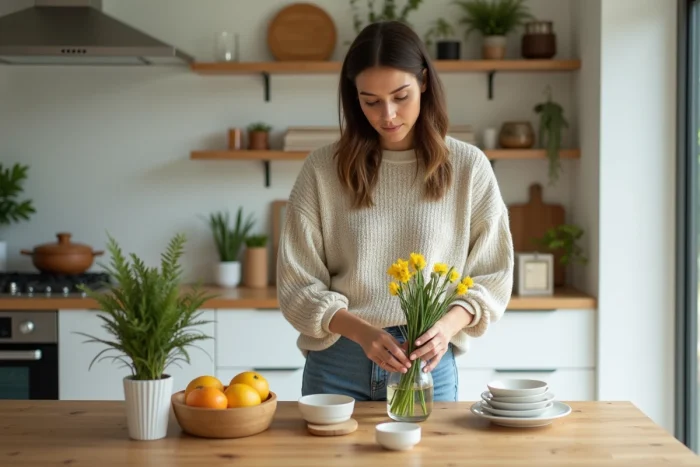
Accumulating objects never guarantees more comfort or efficiency at home. A simple rearrangement of furniture or the adoption of an unconventional storage method can sometimes radically transform a space. Yet, deeply ingrained habits often hinder the evolution of organization and interior decoration.
Sometimes, it takes very little to breathe new life into your interior. Accessible solutions, often unknown, can change the game without disrupting the routine. Moving a piece of furniture, reconsidering the flow, focusing on a few chosen accessories: every detail counts in enhancing the living spaces.
Why home organization truly changes daily life
Clutter comes at a cost. Wasted time, drained energy, wasted money: a poorly organized interior drains everything in its path. According to an Ipsos survey, 80% of respondents claim to feel more serene and less stressed in an orderly space. Mental health benefits, the mind lightens, and one rediscovers the taste for the essentials. But organizing does not mean freezing. It involves adjusted storage, regular phases of decluttering, and the involvement of everyone at home. Sorting, far from being a punishment, becomes a shared moment, almost a ritual that brings people closer together.
Home automation now meets the demands of modern life. Automating lighting, managing heating with a click, securing access: these discreet routines free up time and lighten the mental load. Incorporating storage into daily life, reflecting on what is truly useful, also helps prevent the invasion of objects and restores a fluid, easy-to-live-in home.
For those aiming for a practical and inspiring interior, home solutions on C Fun offer ideas to personalize according to needs. The ambition: to shape a home that supports life without hindering it. Sorting and decluttering, advocated by Ilan Parmentier and relayed by Boursorama, are part of the slow life or zero waste movement. These approaches place organization at the heart of a quest for sustainable simplicity and daily well-being.
How to make the most of every corner without sacrificing style
Optimizing space requires neither magic nor compromise on aesthetics. Multifunctional furniture, such as sofa beds, storage beds, or coffee tables with storage, perfectly illustrate this approach to interior design. They serve multiple purposes within the same volume without weighing down the overall look. Whether living in the city center or an old house, these solutions make the space more fluid and pleasant.
Arranging vertical space quickly becomes obvious. Install wall shelves almost up to the ceiling, hang a few baskets in the entryway or bathroom, and utilize the height under the stairs. Freeing up floor space facilitates movement and provides real breathing room for the room. Hanging furniture, such as sideboards or TV stands, creates an impression of lightness, visually amplifying the space.
Natural lighting, combined with well-placed mirrors, adds depth. Sliding doors advantageously replace swinging models, especially in small areas, and clear passage zones. To suggest a separation without closing off, opt for a slatted bookshelf, a screen, or even a rug to mark different functions of the room while maintaining openness.
Here are some concrete levers to combine style and efficiency:
- Adapt storage to each function: stackable boxes, baskets, and modular drawers simplify daily life.
- Favor light colors and materials that allow light to flow, creating a softer and more spacious atmosphere.
Space optimization thus aligns with the desire for an interior that has character, where every object naturally finds its place and purpose.
Simple ideas to personalize your decor and feel good at home
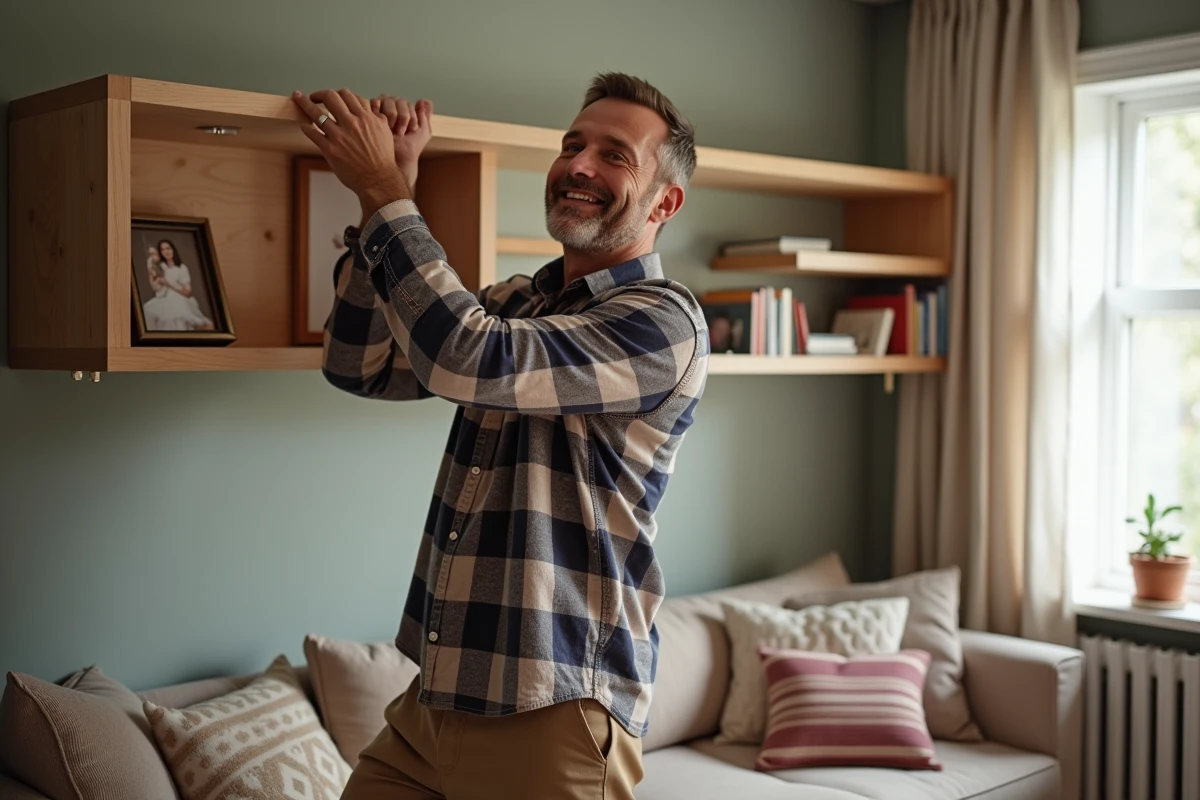
Diversifying atmospheres also involves personal choices, sometimes modest but impactful. DIY solutions, such as making a shelf from raw wood, reupholstering a chair, or customizing a coffee table, offer the freedom to shape your space in your image, outside of standards. Upcycling, or the art of giving a second life to objects, awakens creativity while avoiding waste. A glass jar turned into a candle holder, an old sheet turned into a curtain: every gesture counts.
Introducing sustainable materials, such as linen, cotton, rattan, and certified wood, contributes to creating a peaceful and healthy atmosphere. Advocates of slow life prefer muted colors: beige, white, natural tones. This soft palette welcomes light throughout the year without ever appearing dull. A few plants are enough to revive the space, purify the air, and infuse a natural rhythm.
To go further, here are two avenues to explore:
- Select a rug or a screen to structure the room, delineating a rest area or a work corner without closing it off.
- Make your own household products with essential oils: simplicity, effectiveness, and guaranteed savings.
The zero waste approach does not stop at the kitchen: it also invites itself into decor. Reuse, repurpose, slow down on impulse purchases. The daily gestures shape an interior that is coherent, serene, and true to your values. You are not just shaping a space: you are inventing a place where it feels good to return, again and again.