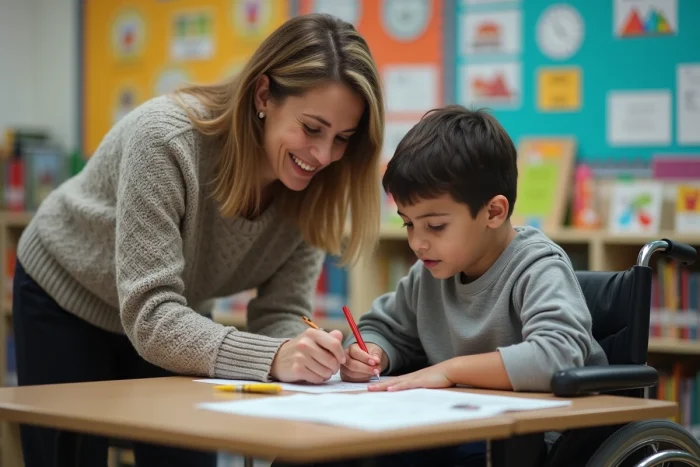
The contract of an AESH does not guarantee full-time hours, even when the support notification extends to several students. The remuneration remains tied to the minimum wage: previous experience or loyalty do not automatically lead to a pay increase. Despite a rigorous selection process for hiring, the initial training provided rarely exceeds sixty hours, which sometimes leaves newcomers feeling unprepared on the ground.
From one institution to another, from team dynamics to internal policies, daily life can change drastically. The opportunities for advancement remain limited, and pathways to other educational or social professions are rare. Many engage in this work out of vocation but find their professional future hindered by statutory limitations.
The role of an AESH: missions, legal framework, and sought profiles
In schools, the accompanying person for students with disabilities (AESH) shapes inclusion with a human face. Providing concrete assistance to students, removing learning barriers, encouraging autonomy: this is the heart of a demanding profession, often misunderstood and sometimes isolating. Present every day, the AESH works with one or more children, follows their pace, observes their actions, and adjusts their interventions tirelessly. It requires listening skills, solid patience, empathy, and composure—qualities that are rarely reflected on a paycheck.
The structure of the profession mainly relies on fixed-term contracts, occasionally open to conversion into permanent contracts over the years. The selection process favors profiles that have encountered the reality of disability or have worked with children. However, each support situation remains unique: the age of the student, the nature of their disability, or the operational mode of the institution requires constant adaptation. Recent developments and feedback from the field are slowly changing perceptions of this still-evolving role.
To gain a more concrete understanding of the reality of this multifaceted profession, one can simply consult the advantages and disadvantages of the AESH profession. This text highlights the drivers of commitment to students, the diversity of experiences, and the improvisational skills required for each new mission. More than just support, the AESH sometimes becomes the crucial link that allows children to feel truly welcomed at school.
What are the advantages and challenges faced daily?
Becoming an AESH means transitioning into a profession with significant human rewards… and undoubtedly just as many concrete constraints. Building a strong bond with a student, observing their progress—even if minimal—injects real energy into daily life. Seeing the child open up, gain autonomy, and achieve milestones unnoticed by outsiders is what measures the commitment. In the educational sphere, the presence of the accompanying person shifts the dynamics, both for the student and for the educational community as a whole. Families regularly express their gratitude, and teachers recognize the added value of this close teamwork.
That said, the other side of the profession can sometimes weigh heavily: remuneration remains low, far below other positions within the national education system. Short contracts, fragile status, instability—all of this fosters a level of uncertainty that can be difficult to bear. Fatigue, both physical and mental, accumulates, especially in the most complex situations or when the school environment is not suitable. Some accompanying persons report feelings of isolation or a lack of institutional recognition that is slow to materialize in practice.
To summarize the realities observed in the field, here is what many AESHs highlight:
- Advantages: creating a trusting relationship, seeing the direct impact of their actions, advancing inclusion, discovering a wide variety of children and contexts.
- Challenges: precarious contracts, low salaries, significant emotional burden, lack of genuinely structured continuous training opportunities.
The balance between dedication and material constraints remains unstable. Fragmented hours, shifting assignments, and changing missions throughout the year complicate the organization of life outside of work. The accompanying person earns their place within the educational team each day, a recognition that remains too uncertain and is built over time through collaboration.
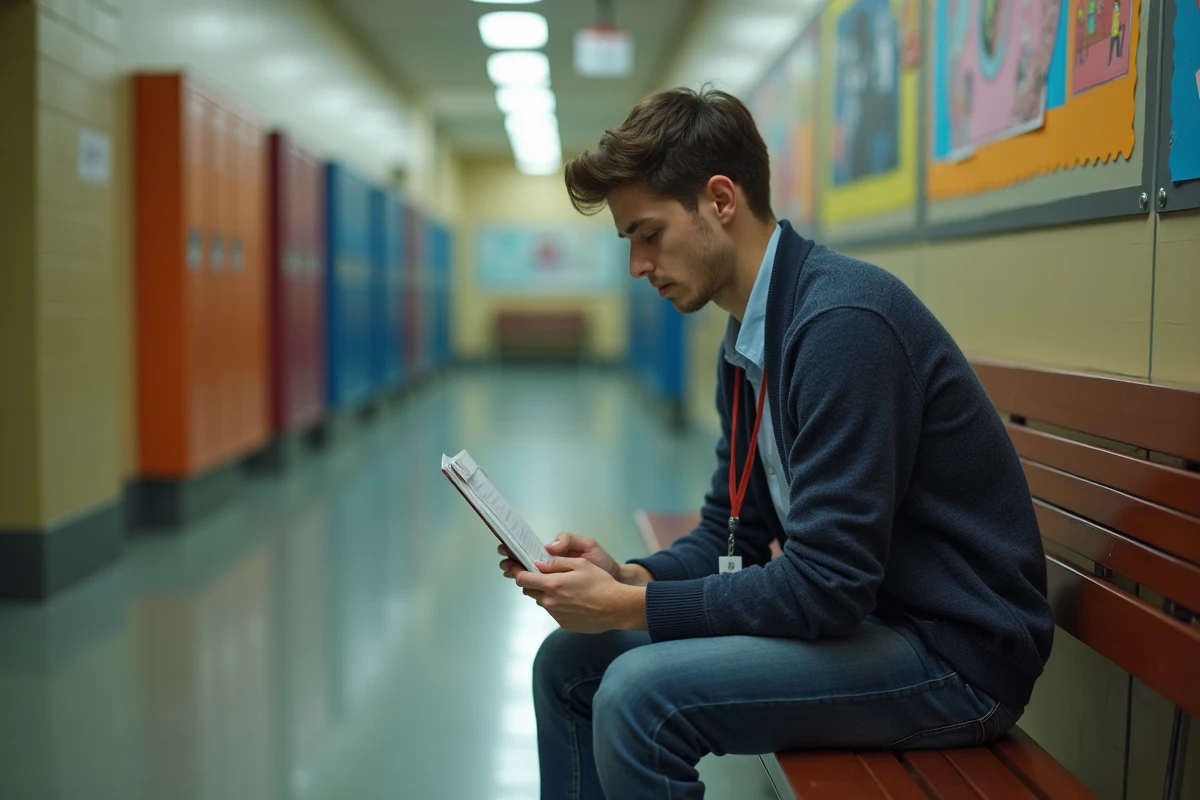
Skills, training, and career prospects for engaging in this profession
Working as an AESH requires a balance between relational skills and more technical abilities, which can only be refined through practical experience. It demands listening, sensitivity, and the ability to adapt one’s actions to each disability. Teamwork, dialogue with teachers, and integration into the institution’s dynamics are all part of daily life and are crucial for successful student support.
Training and professionalization
No specific diploma is required for entry, but the profession aligns with a precise skills framework. New AESHs receive quick training before starting their position, supplemented by specialized modules on disability or support over time. The VAE (validation of acquired experience) also allows for the recognition of accumulated experience by formalizing certain skills.
The most common expectations are embodied in these areas:
- Active listening, relationship skills, delicate management of complicated situations
- Pedagogical adaptation, nuanced understanding of disorders, handling of tools suited to each case
Career advancement prospects remain limited for now, although opportunities exist through internal public service competitions or certain continuing education pathways. Those who secure a permanent contract may, in the medium term, consider transitioning to other support roles, social action, or educational assistance. However, professional advancement primarily depends on the willingness to train and the quality of the network built within the institution. Over the years, each support experience shapes a unique journey, marked by questioning and deep commitment.
When the bell rings and the supported student steps out of the classroom, the exchanged glance with the accompanying person sometimes conveys more than all the reports: a suspended moment that reminds us that, for some, school finally becomes accessible and a little more welcoming.