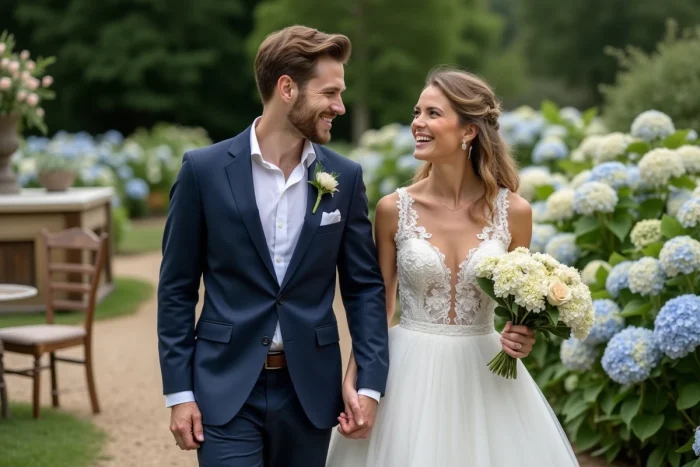
An overlooked detail in the planning can disrupt the entire ceremony, even several months after booking the vendors. Statistics reveal that one in three couples encounters a major unforeseen event on the big day, despite meticulous preparation.
Industry professionals observe a clear trend towards personalization, but this quest for originality often comes with an overload of information and contradictory choices. Balancing tradition, personal expectations, and logistical constraints then becomes the main challenge.
The key steps to lay the foundation for a serene wedding
Preparing a solid wedding always starts with a discussion between the two of you: what vision do you want to give to your union? This intimate, sometimes unexpected conversation paves the way for choosing the date. Rather than rushing in headfirst, take the time to avoid busy periods, think about the season, and check the availability of the people who matter to you.
Quickly, the question of budget comes to the forefront. It’s about setting the milestones, and clarity is essential: what are the must-have items? Here are the main elements to consider:
- venue
- catering
- attire
- photography
Defining these priorities will help you structure your entire preparation. The numbers speak for themselves: more than seven out of ten couples in France allocate the majority of their budget to the venue and the meal. This choice sets the tone and influences all other decisions.
The first draft of the guest list comes very quickly. This enumeration, far from being trivial, shapes the search for the venue and already gives an idea of the atmosphere. Be honest and seek balance between the different spheres of your life. To deepen your method, infomariage.fr offers a file “Info Mariage – Everything you need to know to prepare the most beautiful day” that breaks down each step of the preparation.
The choice of theme, far from being just a passing trend, leaves its mark on the entire ceremony. Delicate pastels or vibrant colors, rustic or urban spirit: visual coherence remains memorable. Some hire a wedding planner to keep things light, while others prefer to orchestrate everything themselves. Do it in a way that reflects you, without external pressure.
How to create a personalized checklist that reflects you?
Forget pre-made templates: an effective wedding checklist is shaped in the image of your couple. To start, first list the major steps: choosing the venue, selecting the caterer, attire, rings, administrative procedures. Then add the elements that matter to you: home playlist, photo space, little attentions for the children.
A key point: prioritize. Venue or caterer bookings need to be handled as a priority, several months before the big day. Details like decoration, music, or surprises can wait. For each task, specify the deadline and take into account the providers’ timelines.
To help you visualize the organization, a spreadsheet or dedicated app can be very useful. This way, you can track progress and stay focused on each priority. Here are the categories to plan for clear organization:
- Priority deadlines (reservations, choice of attire, invitations)
- Secondary tasks (hair trials, seating plan, gifts for guests)
- Logistics for the big day (transportation, accommodation, coordination of key moments)
The goal is not to fill boxes at all costs. Good planning allows you to adjust the pace, distribute roles, and avoid accumulated fatigue. Assign each task to a specific person, set realistic deadlines, and validate as you go. Your organization thus becomes a flexible tool that adapts to your desires and unforeseen events.
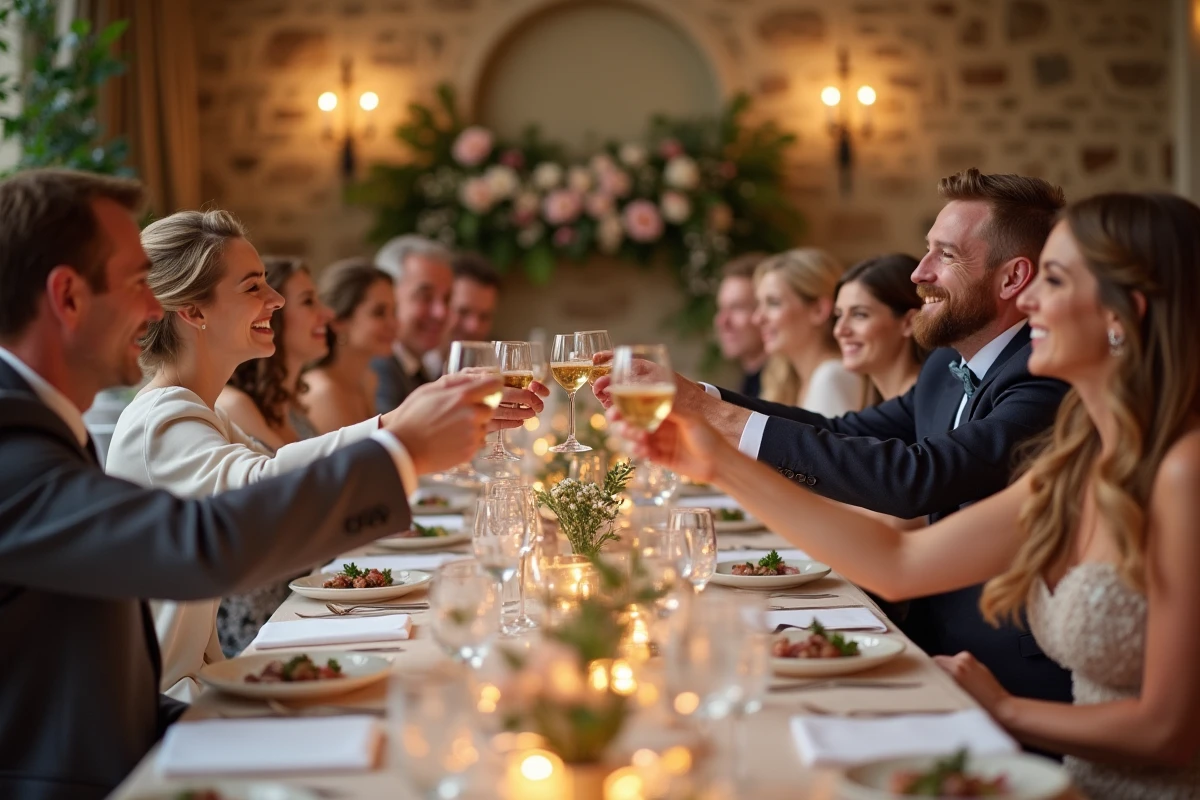
Examples and original ideas for a wedding that reflects you
A wedding that reflects you is not just about a trendy theme displayed on the invitations. It takes shape in every choice, every detail. Let your story speak: choose a common thread that can be found everywhere, from the ceremony to the celebration.
Some couples opt for the authenticity of an outdoor wedding, in a shared garden, surrounded by local flowers. Others invest in unconventional venues, such as an old factory, a renovated farm, or an art gallery, to break the mold and give a unique vibe to the reception.
On the ceremony side, dare to be inventive. Involve your loved ones, propose personal readings, create a unique ritual like a wish tree where each guest hangs a note for you. The welcome can also surprise: a seating plan in the form of an art installation, personalized bunting, or a collaborative playlist prepared by everyone before the party.
To thank your guests, set aside impersonal souvenirs. Prefer plantable seed packets, small bottles of homemade olive oil, or notebooks illustrated by you. These sincere attentions leave a much stronger mark than a simple trinket.
For the reception, why not imagine a buffet of regional specialties, a pop-up cocktail bar, or culinary workshops where everyone gets involved? These initiatives leave a lasting impression, much more memorable than a fixed menu.
Ultimately, organizing the wedding becomes a collective adventure. Let your loved ones get involved: activities, decoration, creating memories. When everyone pitches in, the day takes on a dimension that goes beyond the couple and resonates with the entire gathering. It’s no longer just about celebrating; together, you build an unforgettable memory.