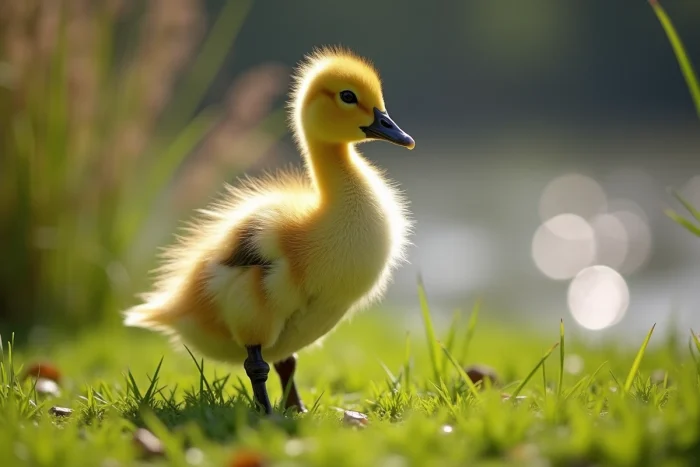
A stagnating hatching rate below 70% is not just a simple number: it often reveals a flaw, a temperamental thermostat, or neglected humidity in the incubator. For goslings, everything starts with the digestive tract. Unlike other young poultry, these waterfowl need to ingest fibers from the very first days to kickstart their growth. Quick access to suitable food immediately influences their vigor and ability to resist infections.
Heating, housing, feeding: every detail matters and fits into a strict timeline. Missing a step opens the door to diarrhea, feather issues, or worse, avoidable losses. Novices often pay the price, discovering the hard way that housing their goslings in an ill-suited space or improvising their rations comes at a cost.
Understanding the key stages of gosling development
The incubation of goose eggs, conducted in near-religious silence, marks the start of the life marathon. Incubation generally lasts between 30 and 32 days. During this period, everything fluctuates: precise temperature, measured humidity, constant turning. Whether it’s the mother or an electric incubator, every variation, even minimal, influences the success of hatching.
Once out of its shell, the development of the gosling enters a rapid acceleration. The first hours require calm: drying, gentle warmth, initial energy intake. The young goslings huddle together, drawing strength and immunity from the proximity of their group and their mother. This gregarious instinct is their first armor against external threats.
During the first week, feeding must be impeccable: ample proteins, fibers provided by fresh grass, suitable pellets, and water available at will. A dry, temperature-stable housing protects against diseases that always lurk in damp bedding. As the second week progresses, the down thickens, and the first feathers emerge, signs of well-managed growth.
Around the third week, the goslings discover the outdoors. They walk on the grass, stretch their webbed feet, initiate group life, and begin to establish their hierarchy. This gradual socialization is the prelude to their autonomy. To detail each step of the gosling development, you can consult the following resource: The stages of growth of the gosling – Blog Animaux.
What essential needs to start gosling farming successfully?
Starting a gosling farm means playing the card of rigor and attention. Water, first: always clean, frequently renewed, served at room temperature. A well-designed drinking trough prevents accidents, as a baby goose can drown in a container that is too deep, especially when it is just starting out.
Next, a balanced diet lays the foundation for solid growth. From the outset, it is crucial to focus on quality proteins. Experienced breeders select complete feeds: grains, minerals, vitamins, everything is included. Very quickly, an intake of fresh grass encourages the digestive system to diversify, preparing the gosling for independence.
As for the living space, it allows no slack. To provide the goslings with a conducive environment, several parameters must be monitored:
- Maintain a stable temperature between 28 and 30°C for the very first days
- Change the bedding daily to limit infections
- Create peaceful resting corners away from high-traffic areas
Choosing the right density also helps prevent many issues. Too much crowding, and the goslings become agitated, fall ill, or damage their feathers. Too much space, and they disperse, get cold, and struggle to form bonds. Constant monitoring allows for immediate detection of any decrease in energy or signs of thirst. Successfully managing your goose farm is primarily about anticipating: no detail is trivial, every action counts, from morning to night.
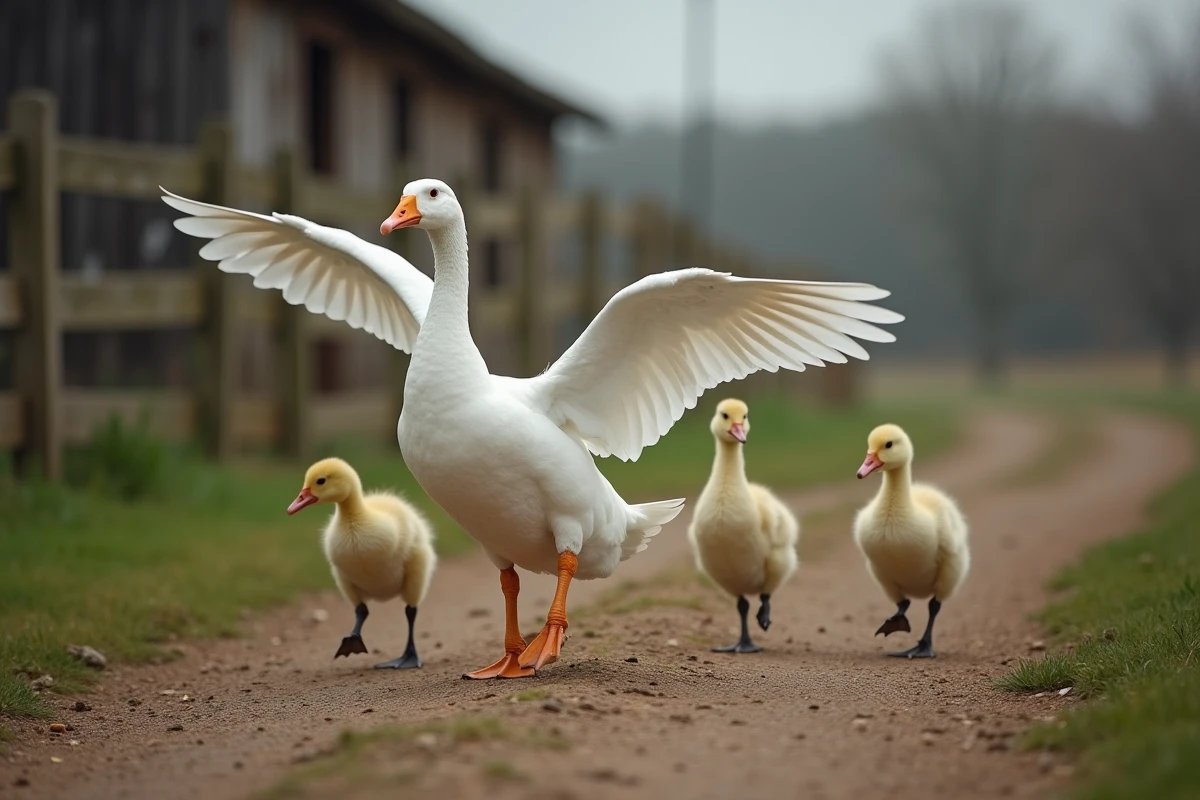
Practical tips for supporting each age: feeding, habitat, and appropriate care
From the first breath of air to the completed plumage, each stage of gosling development calls for renewed vigilance. Their accelerated growth requires continuous adjustments to their feeding. During the first weeks, prioritizing protein-rich pellets helps support muscle and bone formation. Gradually introducing fresh grass encourages digestion and prepares the transition to adult food.
The habitat must evolve with the age of the goslings. Initially, it is about ensuring warmth through a confined space, then gradually expanding the area to reduce stress and encourage exploration. A clean, dry, and ventilated shelter offers the best barrier against diseases. Constant access to clean water, in suitable drinking troughs, remains essential for the well-being of the group.
Observe your baby geese every day: a lively gosling, moving without limping and sporting a clean plumage, is on the right track. Delicate phases, such as dietary diversification or feather growth, require careful attention. Adjusting the protein ration according to age, ensuring ingredient quality, and maintaining a healthy environment are the pillars of a farm that respects the social nature of these birds. The result: a united, robust group, ready to face what comes next.