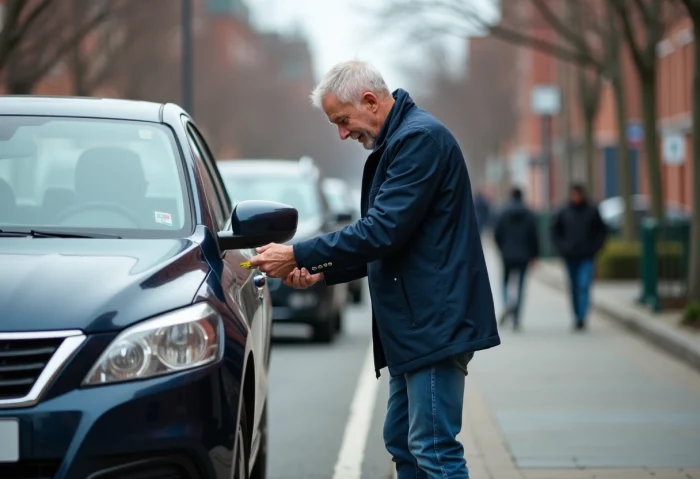
One meter, no more, no less. The rule does not vary from one district to another: French regulations impose a minimum distance of at least one meter between two parked vehicles, unless otherwise indicated by road markings. This requirement is not just a bureaucratic formality: it aims to preserve accessibility and safety during every maneuver, whether it’s to exit a parking space or join traffic.
Ignoring this guideline exposes you to a fixed fine, or even the possibility of finding your car towed without warning. Inspections are not uncommon, and tolerance remains low, even outside of peak hours or in the absence of obvious obstacles.
Understanding the importance of parking distance between two cars
The space left between two cars is the boundary between a successful maneuver and a dented bodywork. The parking distance between two cars concerns every driver, regardless of the type of parking: parallel, angled, or perpendicular. Respecting this meter allows everyone to leave without hitting a bumper or twisting a mirror.
Several factors must be considered to ensure sufficient clearance: the size of the vehicle, the width of the roadway, and the weather conditions. Wet ground, reduced visibility, or heavy rain make every centimeter precious. Leaving a meter is primarily about preserving traffic flow and showing respect for other road users.
This is not just a matter of comfort: a tight space multiplies minor accidents. Dented doors, disputes between neighbors, cascading insurance claims: companies estimate that about one-third of parking-related incidents are due to a lack of distance. This is far from trivial.
Here are some concrete situations where vigilance is essential:
- Parallel parking: always allow sufficient clearance in front and behind to exit without hitting other vehicles.
- Angled or perpendicular parking: watch the lateral space, especially when the road markings are unclear.
- Challenging weather conditions: if the roadway is slippery or poorly lit, increase the distance as soon as possible.
To delve deeper into these rules and adopt good habits, feel free to consult the page dedicated to parking distance between two cars. Good practices, repeated daily, can prevent many inconveniences.
What are the rules to follow according to the Highway Code?
Parking in France is not just about stopping where there is space. The regulations provide specific rules to ensure everyone’s safety. The Highway Code governs how to park, the distances to be respected, and the authorized zones.
The lateral space between two vehicles must allow each driver to maneuver without risking a collision. According to the Highway Code, you must never obstruct traffic or block another driver’s exit. If white lines define the parking space, you must obviously stay within the lines. Without markings, leave enough room for each door to open and for even large vehicles to exit without difficulty.
Some parking spots are strictly prohibited, even for a quick stop. Here are the main prohibitions to keep in mind:
- Pedestrian crossing: parking less than five meters away is prohibited.
- In front of a driveway or fire access: any vehicle causing an obstruction is subject to a fine.
- Near an intersection, a turn, or the top of a hill: visibility is paramount, and the regulations require it.
The signage (signs, yellow lines, temporary measures) sometimes complements or specifies these prohibitions. For alternating parking or parking regulated by disc, it is advisable to always check local instructions. The space left between two vehicles then becomes not just a matter of common sense, but of strict compliance with the law.
Fines, risks, and tips to avoid penalties
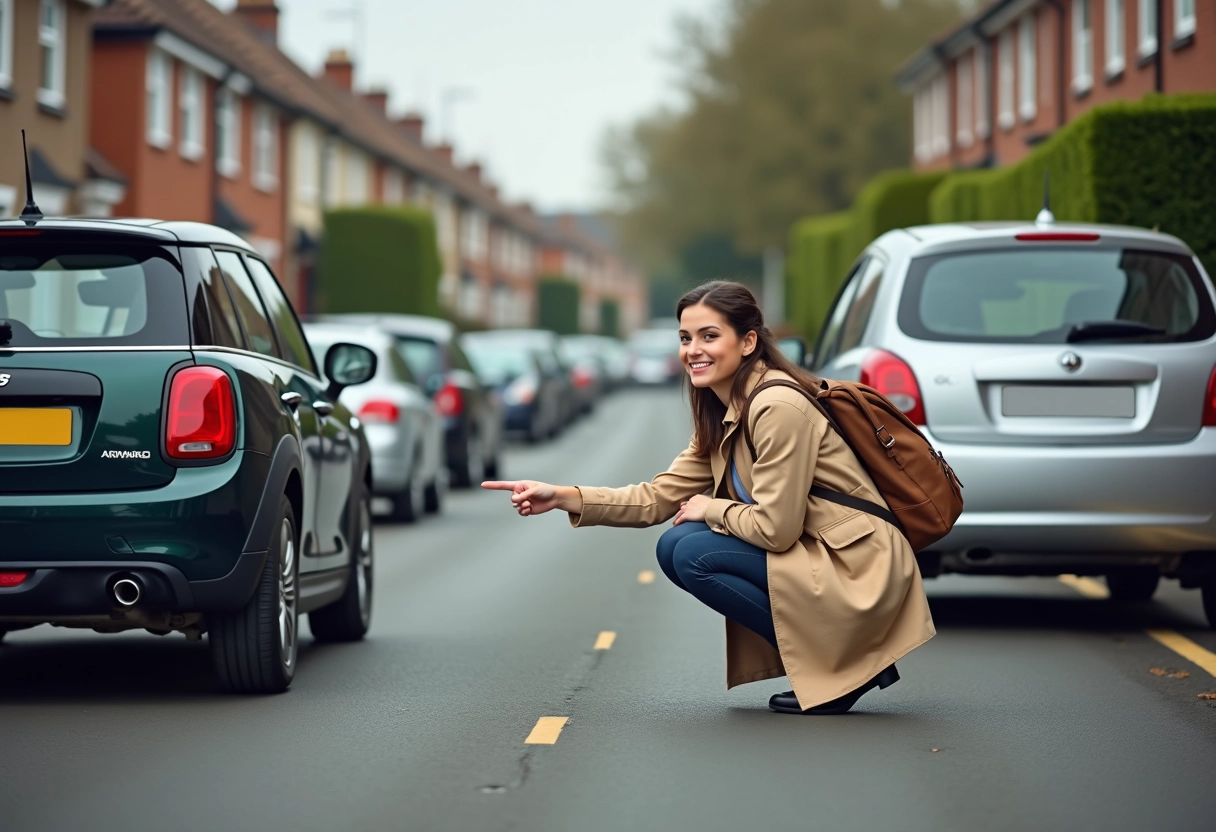
Parking without respecting the parking distance does not go unnoticed. Penalties come quickly: France differentiates between inconsiderate parking and dangerous parking. A car that blocks passage or makes exit difficult receives a second-class fine, which is 35 euros. If the situation poses an obvious danger, the amount rises to 135 euros. Towing can also come into play as soon as a vehicle obstructs access or traffic.
Disputes between neighbors often arise from a car parked too close to another or a driver occupying two spaces. In the event of damage to a poorly parked vehicle, auto insurance may refuse to compensate, impacting liability and the no-claims bonus. The consequences can weigh heavily on premium amounts for a long time.
Some reflexes can help avoid many troubles: always check the road markings, leave enough space for an easy exit, and pay attention to temporary signage in case of construction or events. If in doubt, it’s better to choose a spot a little further away than risk a fine or losing points on your license.
In case of contestation, gather solid evidence: photos, testimonies, a copy of the report. Respecting the distance between two cars saves you from unpleasant surprises and frustrated returns.
Parking is not just a matter of space: it is also a mark of respect and caution. With every meter left, there is smoother traffic and avoided conflicts. Tomorrow, at your next available spot, it might just be your bumper that benefits.