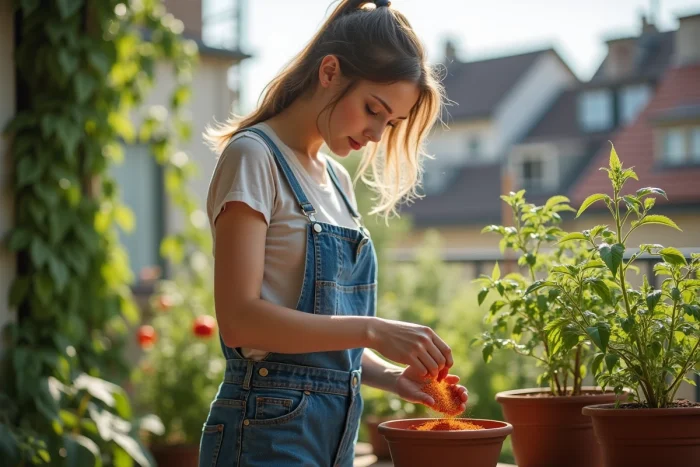
A simple spice jar in the kitchen can transform the vigor of your plants. Paprika, far from its decorative function on a plate, proves to be a discreet yet formidable player in the garden. Horticultural researchers have understood this well: when used wisely, this common condiment slows the proliferation of pathogenic fungi and encourages microbial life in the soil.
Experienced gardeners have tested it on various species: when applied correctly, paprika accelerates growth and strengthens the vitality of many plants. But the story is not as simple as a magical pinch. If mismeasured, it can disrupt the dynamics or destabilize the fragile balance of the soil. Caution is advised before giving in to enthusiasm.
Paprika in the garden: myth or natural ally for thriving plants?
Extracted from Capsicum annuum, this bright red powder has now found its place in the gardening arsenal, both as a natural fertilizer and a biocontrol solution. Rich in antioxidants, vitamins, and minerals, paprika goes well beyond its status as a spice. It protects against fungal diseases and stimulates the plants’ defense mechanisms. Capsaicin, the major active ingredient, endows paprika with anti-inflammatory properties and proven effectiveness against certain pests.
To take advantage of its benefits, rigor is essential. Using paprika for plants requires precision: too much can burn the leaves or disrupt the life of the soil. In diluted form, it complements the action of biostimulants or PNPP (low-risk natural preparations) and helps plants rebuild their tissues after stress. Mixed into compost or mulch, it enriches the soil and attracts beneficial insects that contribute to the garden’s balance.
Its range of action doesn’t stop there: paprika also protects against oxidative stress, a mechanism that accelerates cellular aging in plants. Imported from Hungary or Spain, it comes in sweet, spicy, or smoked varieties and adapts to different climates. By ensuring regular applications, one can observe enhanced root growth and increased resistance to pests.
There’s no point in pouring the entire bottle onto your vegetable garden: a reasoned approach is paramount. Paprika adds to the toolkit of sustainable gardening but does not claim to do it all. To delve deeper into best practices, the resource “Benefits of Paprika for Plants: Usage Tips and Tricks – Technique Habitat” offers a detailed overview of the uses and precautions to be aware of.
How to incorporate paprika into your daily care to stimulate plant growth
Incorporating paprika into your gardening routine adds a natural dimension to the fertilization and protection of your crops. Derived from the dried and then ground ripe peppers (Capsicum annuum), it comes in a fine powder form, easy to measure.
To benefit from its effects, here’s how to use it practically:
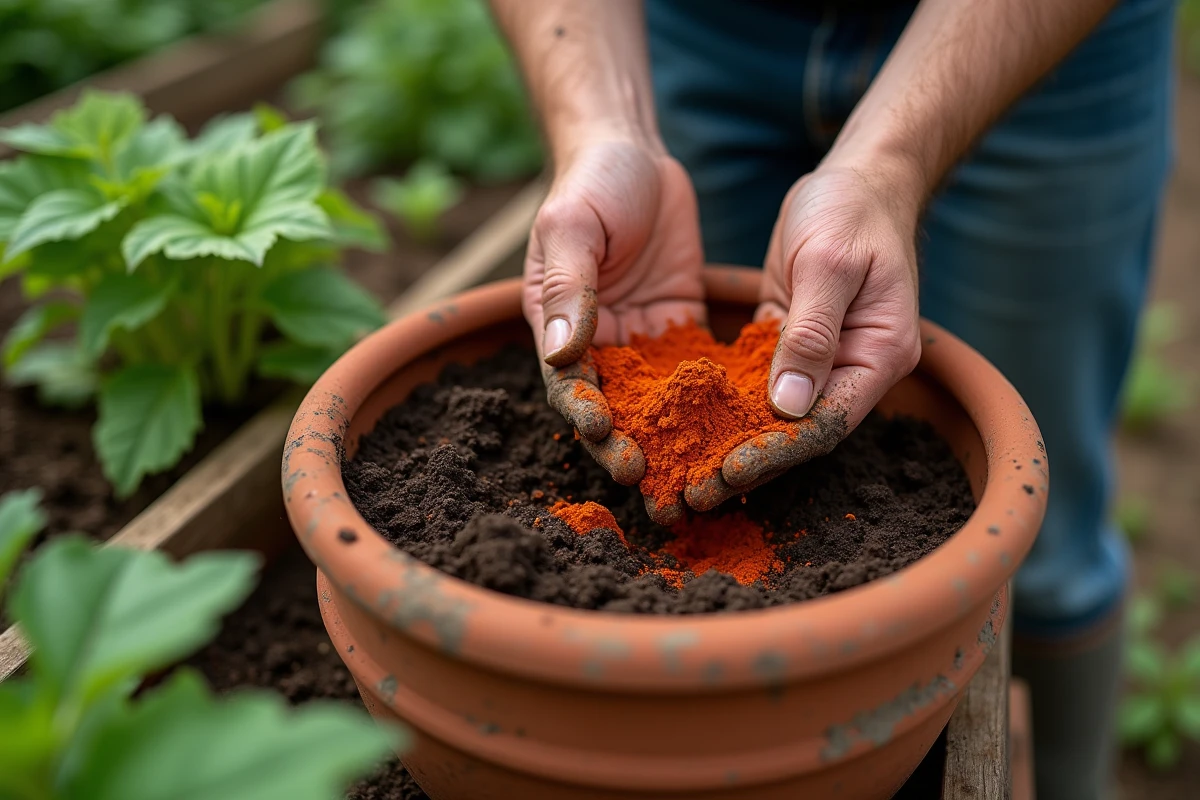
- Spread a teaspoon of paprika at the base of each plant, then gently incorporate it into the surface of the soil. This action stimulates sap production and optimizes nutrient absorption.
- For potted or indoor plants, dilute the paprika in the watering water (a quarter teaspoon per liter). This solution stimulates root growth and overall vigor, without overloading or excess.
- In the garden, add it to compost or mulch: it enriches organic matter, supports microbial activity, and attracts beneficial insects that strengthen the ecosystem.
This method fits into a sustainable gardening approach that limits synthetic inputs and promotes plant resilience against climate or pathogen aggressions.
To refine your practice, consult the resource Benefits of Paprika for Plants, which details the appropriate dosages for each context. Precision and regularity make the difference: each plant has its needs, and the art of gardening lies in adapting to them.
Natural alternatives and precautions to know before using paprika on your plants
The quest for natural alternatives to boost plant growth requires juggling efficiency and respect for living things. Paprika, rich in antioxidants, capsaicin, and vitamins, offers real potential, provided it is integrated wisely. Too much powder, or application under blazing sun, and burns are quick to follow. Even though capsaicin repels certain pests, it can weaken plant tissues if applied too heavily.
Before mixing paprika into the soil or watering water, check the condition of the plants and the quality of the substrate. Paprika complements the action of biostimulants or PNPP, but does not replace a balanced compost or careful management of moisture and light. Its effectiveness is mainly seen in preventive use, to support natural defenses against fungal diseases and pests.
Some signals should prompt vigilance. Here are the main signs that should catch your attention:
- Leaves that yellow, soften, or blacken after application
- Visible slowdown in growth
- Roots that appear weakened or damaged
In these cases, immediately stop the applications, aerate the substrate, adjust watering, and eliminate any risk of rotting. Always store paprika away from moisture and heat to preserve its properties.
To strengthen the health of your plants, diversify your practices: alternate crops, regularly enrich with organic matter, and prioritize variety in natural fertilizers. The harmony of the garden depends on sober approaches, attentive observation, and constant adjustment to the reality of the soil and climate. The equation is never fixed, and paprika, when used well, is one of the levers to activate, without ever replacing the listening to the living.